Why Are Asphalt Driveways Cracking So Fast? The Hidden Causes Explained
A well-maintained asphalt driveway can last for decades, but without proper pavement maintenance work, even a newly installed surface can begin showing cracks much sooner than expected.
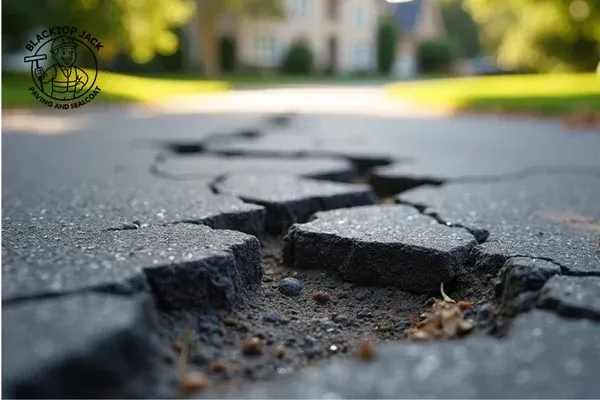
Have you noticed cracks spreading across your asphalt driveway only a few years after installation? You're not alone. Many homeowners invest significant money in their driveways expecting long-lasting performance, only to find themselves dealing with fractures, potholes, and surface deterioration much earlier than anticipated. The frustration is understandable. A damaged driveway not only affects curb appeal but can also lead to expensive repairs if the problem is ignored.
The happy news is that cracks in the asphalt do not occur by accident. In most cases, there are hidden causes working beneath the surface long before visible damage appears. Understanding these factors is the first step toward protecting your investment and extending the life of your pavement.
In this guide, we'll explore the most common reasons asphalt driveways crack prematurely, how proper pavement maintenance work can prevent costly damage, and what homeowners can do to keep their driveways looking and performing their best for years to come.
Understanding Why Asphalt Cracks
Asphalt is designed to be flexible, durable, and capable of handling vehicle traffic and environmental changes. However, it isn't indestructible. Over time, a combination of weather, water, traffic loads, installation quality, and maintenance habits can weaken the pavement structure.
When the asphalt surface loses its flexibility or the foundation underneath becomes unstable, cracks begin to appear. While some minor cracking is a normal part of aging, rapid cracking often indicates deeper issues that need attention.
The Most Common Hidden Causes of Asphalt Driveway Cracking
1. Water Infiltration: Asphalt's Biggest Enemy
Water is responsible for more asphalt damage than almost any other factor. When rainwater seeps through small openings in the surface, it reaches the underlying base materials. As the soil becomes saturated, it loses strength and stability.
Over time, the pavement above begins to shift, settle, and crack.
In colder climates, the problem becomes even worse. Water freezes and expands, forcing cracks to widen. Although freeze-thaw cycles are less severe in some regions, standing water remains a major threat to asphalt longevity everywhere.
Signs of water-related damage include:
Spiderweb cracks
Depressions in the pavement
Potholes
Areas where water pools after rain
Proper drainage and routine sealcoating and paving services help minimize water penetration and protect the surface from deterioration.
2. Poor Installation Practices
A driveway is only as strong as the workmanship behind it. Unfortunately, many cracking issues begin on the day the asphalt is installed.
Common installation mistakes include:
When asphalt isn't installed correctly, even the best maintenance efforts may struggle to prevent early deterioration.
This is why homeowners should work with experienced professionals who understand proper Asphalt paving and sealcoating techniques from the beginning.
3. Oxidation and UV Damage
Many people don't realize that sunlight slowly damages asphalt.
Over time, ultraviolet rays break down the oils that keep asphalt flexible. As these oils evaporate, the pavement becomes dry and brittle. Once flexibility is lost, the surface becomes more vulnerable to cracking under normal stress.
Common signs of oxidation include:
Gray or faded appearance
Surface brittleness
Small hairline cracks
Reduced water resistance
Routine paving and sealcoating services act as a protective barrier against UV exposure and help preserve the pavement's natural flexibility.
4. Heavy Vehicle Loads
Most residential driveways are designed for passenger vehicles. However, many homeowners regularly park heavy trucks, RVs, trailers, or construction equipment on their asphalt surfaces.
Excessive weight places tremendous stress on the pavement structure, especially if the base was not built to handle such loads.
Repeated pressure can lead to:
Longitudinal cracks
Surface depressions
Edge cracking
Structural failure
If your driveway experiences heavy traffic, a stronger pavement design may be necessary to ensure long-term durability.
5. Tree Roots Growing Underneath
Nature can be surprisingly powerful.
Tree roots naturally seek moisture and nutrients beneath the surface. As they expand, they exert pressure on the pavement from below.
The result is often:
Raised sections
Surface cracking
Uneven pavement
Trip hazards
Homeowners frequently overlook nearby landscaping when investigating pavement problems. In many cases, the real cause of cracking lies beneath the driveway rather than on its surface.
6. Lack of Routine Pavement Maintenance Work
Perhaps the most preventable cause of driveway cracking is neglect.
Many property owners wait until visible damage appears before taking action. Unfortunately, by the time cracks become noticeable, water and environmental damage may already be affecting the foundation.
Regular pavement maintenance work helps identify small issues before they turn into major repairs.
Preventive maintenance typically includes:
Crack sealing
Sealcoating
Surface inspections
Drainage corrections
Minor repairs
The cost of maintenance is significantly lower than the cost of reconstruction.
How Sealcoating Helps Prevent Cracking
Sealcoating is a barrier to prevent damage to asphalt surfaces. It creates a barrier that reduces damage from:
Water penetration
UV exposure
Oil spills
Chemical contamination
Oxidation
Many homeowners underestimate the importance of sealcoating because they view it as a cosmetic treatment. In reality, it plays a critical role in preserving pavement health.
Professional sealcoating and paving programs can dramatically extend pavement lifespan while reducing long-term repair costs.
Recommended Sealcoating Schedule
Early Warning Signs You Should Never Ignore
Many major pavement failures begin with small warning signs.
Watch for:
Hairline Cracks
Tiny cracks may seem harmless, but they often allow water to enter the pavement structure.
Fading Color
A gray appearance usually indicates oxidation and loss of protective oils.
Standing Water
Pooling water signals drainage problems that can weaken the base layer.
Edge Cracking
Cracks along pavement edges often suggest insufficient support beneath the driveway.
Surface Raveling
Loose aggregate and rough texture indicate surface deterioration.
Addressing these issues early through proper pavement maintenance work can prevent much larger repair bills later.
Repair vs. Replacement: Which Option Makes Sense?
Many homeowners wonder whether they should repair their driveway or replace it entirely.
The answer depends on the extent of the damage.
A professional inspection can determine the most cost-effective approach.
Finding the Right Asphalt Contractor
Choosing the right contractor is just as important as the maintenance itself.
When evaluating providers, consider:
Industry experience
Customer reviews
Licensing and insurance
Material quality
Warranty options
Many homeowners searching for paving and sealcoating near me rush into hiring the lowest bidder, only to face costly repairs later.
Before making a decision, take time to understand what quality workmanship looks like. This detailed guide on paving and sealcoating near me explains what homeowners should look for when selecting a contractor and planning a pavement maintenance strategy.
What Sets Professional Pavement Maintenance Apart?
Companies known for delivering reliable results often focus on long-term pavement health rather than temporary fixes.
Whether discussing platinum paving and sealcoating, Superior sealcoating and paving, or other reputable service providers, the most important factor is their commitment to proper preparation, quality materials, and ongoing maintenance recommendations.
Professional contractors understand that successful pavement preservation involves more than filling cracks. It requires a complete strategy designed to maximize pavement lifespan and performance.
Long-Term Benefits of Consistent Maintenance
Investing in routine maintenance offers significant advantages.
Improved Appearance
A well-maintained driveway enhances property value and curb appeal.
Lower Repair Costs
Small repairs cost substantially less than major reconstruction projects.
Extended Pavement Life
Regular maintenance can add years to the life of an asphalt driveway.
Better Safety
Smooth surfaces reduce trip hazards and vehicle damage.
Stronger Return on Investment
Preventive maintenance protects the money already invested in the pavement.
The Future of Your Asphalt Depends on Today's Decisions
Many driveway problems develop gradually and remain hidden until significant damage appears. Water intrusion, UV exposure, poor installation, heavy loads, root growth, and neglected maintenance all contribute to premature cracking.
The encouraging news is that most of these issues can be prevented through proactive pavement maintenance work, timely inspections, and professional paving and sealcoating services.
Rather than waiting for cracks to spread and repairs to become more expensive, homeowners should adopt a preventive approach that keeps their asphalt protected year-round.
Ready to Protect Your Asphalt Investment?
If your driveway is showing signs of cracking, fading, or surface deterioration, now is the ideal time to take action before minor issues become major expenses.
At Blacktop Jack, we help property owners extend pavement life through expert inspections, maintenance planning, Asphalt paving and sealcoating, crack repair, and professional sealcoating solutions designed for long-term performance.
Contact Blacktop Jack today to schedule a pavement evaluation and discover how proactive maintenance can save you thousands in future repair and replacement costs. A stronger, smoother, and longer-lasting driveway starts with the right maintenance strategy.