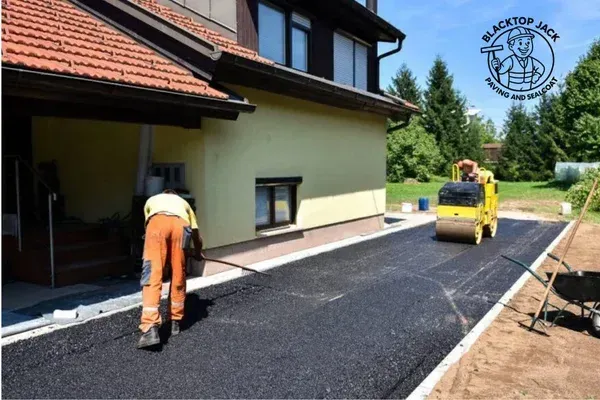
Fresh Asphalt Installation: What Homeowners Need to Know
Introduction:
A newly installed asphalt driveway can last decades, but the first few months are critical, and proper pavement maintenance work plays a huge role in protecting your investment from premature damage.
Many homeowners are excited when they finally install a new asphalt driveway. The smooth black surface instantly improves curb appeal and adds value to the property. However, many people assume that once the paving crew leaves, there is nothing else to worry about. Unfortunately, that misconception often leads to avoidable damage.
Fresh asphalt continues to cure long after installation. During this period, the surface remains somewhat flexible and vulnerable to tire marks, cracks, heavy loads, and weather exposure. Without understanding how to care for new pavement, homeowners can unintentionally shorten the life of their driveway.
The good news is that with proper pavement maintenance work and a few simple precautions, fresh asphalt can provide decades of durability, beauty, and performance.
Why New Asphalt Requires Special Care
Unlike concrete, asphalt doesn't fully harden immediately. Although you can usually drive on a new driveway within a few days, the curing process continues for several months. During this time, oils inside the asphalt slowly evaporate, allowing the surface to gain strength and durability.
This curing process means fresh asphalt is more susceptible to:
Tire scuffing.
Surface depressions.
Heavy vehicle damage.
Weather-related wear.
Premature cracking.
Oil and chemical stains.
Understanding these risks helps homeowners avoid costly repairs and maintain the appearance of their investment.
If you're interested in learning more about long-term maintenance, our guide on blacktop paving and sealcoating services explains how professional maintenance keeps asphalt looking and performing its best.
What Happens Immediately After Installation?
Fresh asphalt cools quickly but continues curing beneath the surface.
General Timeline for New Asphalt
Although the driveway may appear fully hardened, internal curing continues for months.
Avoid Heavy Loads During the First Few Months
One of the biggest mistakes homeowners make is placing excessive weight on fresh asphalt.
Heavy objects can create permanent indentations, including:
RVs.
Dumpsters.
Boat trailers.
Construction equipment.
Large delivery trucks.
Even motorcycle kickstands can leave marks on newly installed surfaces.
During the first several months, it's best to avoid concentrated weight and distribute loads whenever possible.
Why Tire Marks and Scuffing Happen
Fresh asphalt remains flexible during the curing stage. Sharp turns while the vehicle is stationary can cause surface scarring.
To prevent tire damage:
Avoid turning the steering wheel while parked.
Back out slowly.
Alternate parking locations.
Minimize sudden braking.
These simple habits help preserve the smooth appearance of the driveway.
Water Is Still a Threat to New Asphalt
Many homeowners believe asphalt is completely waterproof. Standing water and poor drainage can be an issue although asphalt is water resistant.
Water infiltration can eventually lead to:
Surface cracks.
Base erosion.
Potholes.
Freeze-thaw damage.
Premature deterioration.
Proper drainage remains essential even for newly installed pavement.
Common Water Problems
Protecting against moisture is one of the most important aspects of pavement maintenance work.
Why Sealcoating Matters
Sealcoating is one of the best investments homeowners can make after installation.
Professional paving and sealcoating services create a protective layer that shields asphalt from:
UV rays.
Water penetration.
Oxidation.
Chemical spills.
Gasoline and oil leaks.
Weather damage.
However, sealcoating should not be applied immediately. Most professionals recommend waiting six to twelve months to allow the asphalt to cure properly.
Regular sealcoating and paving services significantly extend pavement life and maintain curb appeal.
How Sunlight Affects Fresh Asphalt
New asphalt contains natural oils that provide flexibility. Over time, ultraviolet rays gradually dry out these oils, causing the pavement to become brittle.
Without protection, oxidation can lead to:
Fading.
Surface cracking.
Loss of flexibility.
Shortened lifespan.
Routine Asphalt paving and sealcoating services help restore protection and preserve the appearance of the surface.
The Importance of Proper Drainage
Drainage problems can shorten the life of any driveway.
Signs of poor drainage include:
Standing water after rain.
Erosion around edges.
Surface depressions.
Cracking near low spots.
Water that remains trapped beneath asphalt weakens the base and accelerates deterioration.
Professional contractors understand how grading and drainage affect pavement longevity and can recommend solutions before major issues develop.
Essential Maintenance Schedule for New Asphalt
Proper pavement maintenance work ensures your driveway stays strong for years.
Routine maintenance costs far less than major repairs.
Why Cracks Should Never Be Ignored
Even small cracks allow water to reach the base layer beneath the pavement. Once moisture enters, deterioration accelerates.
Timely repairs prevent:
Potholes.
Base failure.
Surface erosion.
Costly reconstruction.
One of the most effective ways is by carrying out an annual inspection to identify minor issues before they become expensive problems.
Why Professional Paving and Sealcoating Matter
Many homeowners search for paving and sealcoating near me after damage has already occurred. Preventive maintenance, however, delivers much greater value.
Experienced contractors understand:
Asphalt curing behavior.
Proper sealcoating timing.
Drainage requirements.
Crack repair techniques.
Surface protection methods.
Choosing Superior sealcoating and paving services ensures long-term durability and better results.
Platinum Paving and Sealcoating Strategies
The best approach to asphalt care focuses on prevention rather than repairs.
Platinum paving and sealcoating maintenance plans often include:
Regular inspections.
Timely crack sealing.
Scheduled sealcoating.
Drainage evaluations.
Surface patching.
Long-term maintenance planning.
These strategies maximize pavement life and minimize future expenses.
Mistakes Homeowners Should Avoid
Common Errors That Shorten Pavement Life
Avoiding these mistakes can add years to the life of your driveway.
Long-Term Benefits of Proper Asphalt Care
Investing in routine maintenance provides several advantages.
Financial Benefits
Lower repair costs.
Reduced need for reconstruction.
Increased property value.
Better return on investment.
Appearance Benefits
Rich black finish.
Enhanced curb appeal.
Cleaner, professional appearance.
Performance Benefits
Improved durability.
Fewer cracks.
Longer lifespan.
Greater weather resistance.
Preventive pavement maintenance work protects both the appearance and structural integrity of your driveway.
Final Takeaway
Fresh asphalt installation is only the beginning. While a new driveway adds beauty and value to your property, its long-term performance depends on how well it is cared for during the first year and beyond.
Avoid heavy loads, maintain proper drainage, schedule routine inspections, and invest in professional sealcoating when the time is right. Small maintenance steps today can prevent costly repairs tomorrow.
A proactive approach ensures your asphalt remains strong, attractive, and durable for decades.
Protect Your New Driveway with Blacktop Jack
At Blacktop Jack, we provide professional paving and sealcoating services designed to help homeowners maximize the life of their asphalt investment. From new installations and crack repairs to complete Asphalt paving and sealcoating solutions, our experienced team delivers lasting results you can trust.
Ready to protect your new asphalt?
Contact Blacktop Jack today and discover how expert pavement maintenance work can keep your driveway looking beautiful and performing at its best for years to come.