Sealcoating vs. Asphalt Replacement: Which One Saves You More Money?
Introduction:
If you want to lower long-term pavement expenses, understanding the difference between sealcoating and asphalt replacement can save you thousands of dollars over the life of your driveway or parking lot.
Your asphalt driveway or parking lot is one of the first things people notice about your property. Yet many homeowners and business owners struggle with the same question: Should I invest in sealcoating, or is it time to replace the asphalt completely? Choosing the wrong option can lead to unnecessary expenses, repeated repairs, and premature pavement failure. The good news is that the right decision depends on your pavement's current condition not guesswork.
Many property owners spend far more than necessary because they wait too long to perform pavement maintenance work. Small cracks become large structural problems, water seeps beneath the surface, and what could have been a simple maintenance service turns into a complete replacement project. Understanding when to choose paving and sealcoating instead of replacement can dramatically reduce your overall maintenance costs while extending the life of your asphalt.
In this guide, we'll compare sealcoating and asphalt replacement, explain when each option makes financial sense, and help you make the smartest investment for your property.
Why Asphalt Maintenance Matters More Than You Think
Asphalt naturally deteriorates over time. Sunlight, rain, snow, vehicle traffic, chemicals, and changing temperatures slowly weaken the pavement surface.
Without regular pavement maintenance work, common problems include:
Surface oxidation
Hairline cracks
Water penetration
Potholes
Fading appearance
Edge deterioration
Structural damage
The earlier these problems are addressed, the less expensive they become.
What Is Sealcoating?
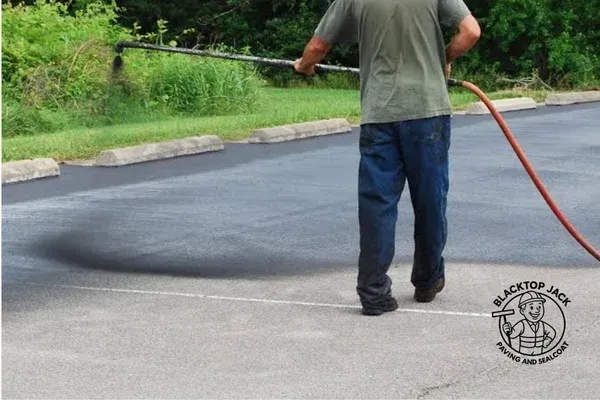
Sealcoating is a protective layer applied over existing asphalt. It doesn't rebuild damaged pavement, but it shields the surface from weather, moisture, UV rays, oil spills, and oxidation.
Professional sealcoating and paving services are designed to preserve asphalt before major deterioration occurs.
Benefits include:
Extends pavement lifespan
Improves appearance
Prevents water damage
Slows oxidation
Reduces future repair costs
Creates a smooth black finish
Protects against fuel and oil stains
Think of sealcoating as preventative maintenance similar to painting a house or changing your vehicle's oil.
What Is Asphalt Replacement?
Asphalt replacement involves removing the existing pavement and installing a completely new asphalt surface.
Replacement becomes necessary when:
Large potholes cover the surface
Deep structural cracks exist
Base failure has occurred
Drainage problems are severe
Previous repairs no longer work
More than 35–40% of the pavement is damaged
Although replacement provides a brand-new surface, it is also the most expensive option.
Sealcoating vs. Asphalt Replacement: Quick Comparison
When Sealcoating Saves More Money
For most property owners, sealcoating is the smarter financial decision—provided the pavement is still structurally sound.
If your asphalt has:
Minor surface cracks
Slight fading
Light oxidation
No foundation issues
Minimal potholes
Then routine Asphalt paving and sealcoating can prevent expensive reconstruction later.
Instead of spending tens of thousands on replacement, regular maintenance keeps your pavement in excellent condition for years.
When Asphalt Replacement Is Worth the Investment
Sealcoating cannot repair structural failures.
Replacement becomes the better option if your pavement has:
Alligator cracking
Large sinking areas
Broken edges
Severe drainage issues
Deep potholes
Base failure
Applying sealcoat over severely damaged asphalt is only a temporary cosmetic improvement.
In these situations, investing in replacement actually saves money because repeated repairs quickly become more expensive than installing new asphalt.
The Hidden Cost of Delaying Pavement Maintenance Work
Many people postpone maintenance because the pavement "doesn't look that bad."
Unfortunately, asphalt damage spreads rapidly.
Here's what happens when maintenance is delayed.
A small investment today often prevents major reconstruction tomorrow.
How Sealcoating Extends Asphalt Life
Every sealcoat application adds another layer of protection against environmental damage.
Professional Superior sealcoating and paving contractors recommend sealcoating every two to three years depending on traffic and weather conditions.
Proper maintenance can extend asphalt life from:
15 years without maintenance
Up to 30 years with consistent maintenance
That's one of the highest returns on investment available for commercial or residential properties.
How Weather Affects Your Pavement
Weather is one of asphalt's biggest enemies.
Common threats include:
UV Exposure
The sun dries asphalt oils, causing brittleness and cracks.
Rain
Water enters tiny cracks and weakens the foundation.
Freeze-Thaw Cycles
Water freezes beneath asphalt and expands, creating larger cracks.
Heavy Traffic
Constant pressure gradually weakens the surface.
Routine paving and sealcoating helps reduce all of these risks.
The Financial Difference Over 20 Years
Let's compare two property owners.
Owner A
Sealcoats every 3 years
Repairs cracks early
Performs regular inspections
Estimated long-term maintenance cost:
Low to Moderate
Owner B
Ignores maintenance
Waits until pavement fails
Requires complete replacement
Estimated long-term maintenance cost:
Very High
The difference over two decades can easily reach thousands of dollars.
Signs You Only Need Sealcoating
You probably don't need replacement if you notice:
Pavement still feels solid
Minor surface cracks
Slight color fading
No standing water
Smooth driving surface
Limited edge damage
This is the ideal time for preventative pavement maintenance work.
Signs It's Time for Replacement
Replacement becomes necessary when you notice:
Extensive alligator cracking
Multiple potholes
Soft pavement
Sinking sections
Water pooling everywhere
Broken foundation
At this stage, sealcoating alone cannot solve the underlying issues.
Choosing the Right Contractor Matters
Even the best maintenance strategy can fail if poor workmanship is involved.
When comparing contractors, look for:
Experience
Licensed professionals
Quality materials
Transparent pricing
Positive customer reviews
Proper preparation methods
Long-term maintenance recommendations
Companies specializing in platinum paving and sealcoating understand that long-lasting pavement starts with proper preparation not shortcuts.
Preventative Maintenance Always Costs Less
Waiting until visible damage appears often means the pavement has already begun deteriorating underneath.
A proactive maintenance schedule usually includes:
Annual inspections
Crack filling
Sealcoating every 2–3 years
Drainage inspections
Surface cleaning
Prompt repairs
This strategy keeps repair costs predictable and significantly extends pavement life.
For a deeper understanding of long-term asphalt care, read our complete guide on asphalt pavement maintenance to learn how routine maintenance protects your investment and helps prevent costly repairs.
How to Decide Between Sealcoating and Replacement
Ask yourself these questions:
Is the pavement structurally sound?
Are cracks minor or severe?
Are potholes widespread?
Is water draining properly?
Has maintenance been performed regularly?
Is the base still stable?
If most answers are positive, sealcoating is usually the smarter investment.
If structural problems dominate, replacement will provide better long-term value.
Why BlackTopJack.com Recommends Preventative Maintenance
At BlackTopJack.com, we believe informed property owners make better investment decisions.
Our focus is helping homeowners and businesses understand that regular pavement maintenance work is almost always more affordable than waiting for complete pavement failure.
Whether you are searching for paving and sealcoating near me, exploring sealcoating and paving solutions, or comparing full asphalt replacement options, preventative maintenance consistently delivers the best long-term value.
By acting early, you can preserve your pavement, improve curb appeal, enhance safety, and avoid the significant expense of premature replacement.
Call-to-Action
Protect Your Asphalt Before Small Problems Become Expensive Repairs
Don't wait until cracks turn into costly reconstruction projects. A professional pavement inspection today can help determine whether sealcoating or asphalt replacement is the right solution for your property.
At BlackTopJack.com, we provide honest recommendations based on your pavement's actual condition not unnecessary upselling. Our experienced team delivers reliable Asphalt paving and sealcoating, preventative maintenance solutions, and long-lasting results that protect your investment for years to come.
Contact BlackTopJack.com today to schedule a professional asphalt evaluation and discover the most cost-effective solution for your driveway, parking lot, or commercial pavement.
Conclusion
Choosing between sealcoating and asphalt replacement isn't simply about the lowest upfront cost it's about maximizing the life of your pavement while minimizing long-term expenses. If your asphalt is still structurally sound, routine pavement maintenance work, including professional sealcoating, offers outstanding value by protecting the surface from moisture, oxidation, and daily wear. However, when structural damage has already compromised the foundation, investing in full replacement prevents ongoing repair costs and restores long-term performance. The key is acting early, scheduling regular inspections, and making informed decisions before minor issues become major financial burdens. With the right maintenance strategy, you can keep your pavement looking great, performing well, and saving money for many years.
Frequently Asked Questions
1. How often should asphalt be sealcoated?
Most asphalt surfaces should be sealcoated every two to three years, depending on traffic levels, weather conditions, and overall pavement wear.
2. Does sealcoating fix cracks and potholes?
No. Sealcoating protects the surface but does not repair structural damage. Cracks should be filled, and potholes repaired before applying sealcoat.
3. Is asphalt replacement always better than sealcoating?
Not necessarily. If the pavement structure is still in good condition, sealcoating is usually the more economical and practical solution.
4. How can I tell if my pavement needs replacement?
Extensive alligator cracking, widespread potholes, sinking areas, poor drainage, and foundation failure are common indicators that replacement may be necessary.
5. Why is preventative pavement maintenance more cost-effective?
Preventative maintenance addresses minor issues before they develop into major structural problems, significantly reducing repair costs and extending the overall lifespan of the asphalt.