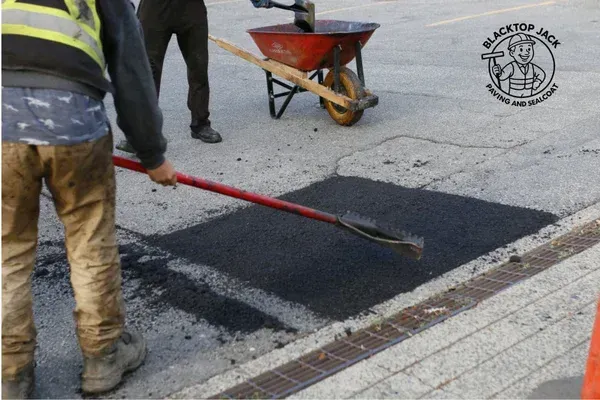
What Makes Asphalt Crack During Winter and Summer?
Temperature changes are one of the biggest reasons asphalt deteriorates, and understanding why cracks form can help property owners avoid expensive repairs through timely pavement maintenance work.
Many property owners are surprised when cracks suddenly appear in their driveways or parking lots. One season the pavement looks perfectly fine, and after a harsh winter or a scorching summer, new cracks begin to spread across the surface. These changes often leave homeowners and business owners wondering why asphalt seems to suffer during both hot and cold weather.
The truth is that asphalt constantly expands and contracts throughout the year. Extreme temperatures, moisture, traffic loads, and aging all contribute to pavement damage. Without regular pavement maintenance work, these small issues can quickly develop into larger and more expensive problems. Fortunately, understanding what causes asphalt to crack during winter and summer can help property owners protect their investment and extend pavement life.
Why Asphalt Cracks Are More Than Just Surface Problems
Most people think cracks are simply cosmetic issues. In reality, even tiny cracks allow water to penetrate below the surface. Once moisture reaches the base layer, the entire pavement structure becomes vulnerable.
Water infiltration leads to:
Weakening of the foundation.
Surface deterioration.
Pothole formation.
Increased repair costs.
Reduced pavement lifespan.
Safety hazards for vehicles and pedestrians.
This is why preventative pavement maintenance work is essential rather than waiting until major damage appears.
If you're looking to understand the importance of routine upkeep, check out our guide on professional pavement maintenance strategies, which explains how preventive care can save thousands in future repairs.
Why Winter Causes Asphalt to Crack
Winter weather is one of asphalt's biggest enemies. Freezing temperatures create conditions that weaken the pavement from both the surface and the foundation beneath it.
Freeze-Thaw Cycles
Water naturally seeps into small cracks. The water expands when it freezes during the freeze.. This expansion creates pressure inside the pavement, causing cracks to widen.
When temperatures rise again, the ice melts, allowing more water to penetrate deeper into the pavement. Repeated freeze-thaw cycles gradually break down the asphalt structure.
Winter Damage Process
StageEffect on AsphaltWater enters small cracksMoisture penetrates the surfaceTemperatures drop below freezingWater expands into iceExpansion creates pressureCracks become largerIce meltsMore water reaches the baseRepeated cycles continuePavement weakens and potholes develop
Snow and Deicing Chemicals
Road salts and deicing products help improve safety, but they can accelerate asphalt deterioration. Chemicals may weaken the binder that holds the pavement together, especially when combined with moisture and freezing temperatures.
Heavy snowplows can also scrape and damage aging asphalt surfaces, creating additional stress during winter months.
Reduced Flexibility in Cold Weather
Asphalt naturally becomes more brittle in colder temperatures. Unlike warmer months when pavement remains flexible, winter conditions reduce elasticity. When heavy vehicles drive over brittle pavement, cracks can develop more easily.
Older asphalt is especially vulnerable because oxidation over time removes natural oils that help maintain flexibility.
Why Summer Heat Causes Asphalt Cracks
While winter receives most of the blame, extreme summer temperatures can also damage pavement.
Thermal Expansion
As temperatures rise, asphalt expands. During cooler evenings, it contracts again. Constant expansion and contraction place stress on the surface, eventually leading to cracks.
This process becomes even more severe during prolonged heat waves.
UV Oxidation
Sunlight slowly breaks down the oils inside asphalt. As oxidation occurs, the pavement becomes dry, stiff, and brittle. Eventually, the surface loses flexibility and starts developing cracks.
Without regular sealcoating and paving services, UV damage accelerates the aging process.
Heavy Traffic During Hot Weather
Hot asphalt becomes softer. Commercial parking lots and busy driveways often experience increased traffic during summer months. Heavy vehicles create stress that may result in:
Surface depressions.
Rutting.
Edge cracking.
Fatigue cracking.
Premature deterioration.
This is why many experts recommend Asphalt paving and sealcoating to protect surfaces from heat-related damage.
Common Types of Asphalt Cracks
Different weather conditions produce different kinds of cracking.
Longitudinal Cracks
These cracks run parallel to the pavement and are often caused by temperature changes and poor construction joints.
Transverse Cracks
These run perpendicular to the pavement and are frequently caused by winter contraction.
Alligator Cracking
This pattern resembles reptile skin and usually indicates structural failure beneath the surface.
Edge Cracking
Often found near pavement edges where support is weak or drainage problems exist.
Major Causes of Asphalt Cracking
Common Causes and Their Effects
CauseEffectFreeze-thaw cyclesExpansion and crackingUV exposureSurface oxidationWater infiltrationBase failureHeavy trafficStructural stressPoor drainageMoisture damageAging pavementLoss of flexibilityLack of maintenanceAccelerated deterioration
How Pavement Maintenance Work Prevents Seasonal Cracks
Preventive maintenance remains the most cost-effective way to protect asphalt.
Crack Sealing
Crack sealing prevents water from entering the pavement and causing freeze-thaw damage. Addressing small cracks early prevents larger structural problems later.
Sealcoating
Professional paving and sealcoating creates a protective barrier against:
UV rays.
Water penetration.
Chemical spills.
Oxidation.
Weather damage.
Regular sealcoating and paving services help maintain flexibility and extend pavement life.
Drainage Improvements
Standing water is one of asphalt's greatest enemies. Proper drainage prevents moisture accumulation and protects the foundation beneath the pavement.
Routine Inspections
Regular inspections allow contractors to identify minor issues before they become expensive repairs.
How Often Should Asphalt Be Maintained?
Every pavement is different, but general recommendations include:
Maintenance ServiceRecommended FrequencyCrack SealingAnnuallySealcoatingEvery 2-3 YearsDrainage InspectionYearlyStripingAs NeededSurface RepairsAs RequiredResurfacingEvery 10-15 Years
Consistent pavement maintenance work dramatically reduces lifecycle costs and delays expensive reconstruction projects.
Why Professional Maintenance Matters
Many property owners search for paving and sealcoating near me after visible damage appears. However, waiting until cracks become widespread often increases repair expenses.
Professional contractors understand how seasonal changes affect asphalt and can recommend preventive solutions that maximize pavement lifespan.
Comprehensive maintenance programs often include:
Annual inspections.
Crack filling.
Sealcoating applications.
Drainage corrections.
Surface patching.
Preventive repairs.
Companies specializing in Superior sealcoating and paving provide long-term solutions that protect asphalt investments.
Platinum Paving and Sealcoating Strategies Extend Pavement Life
A proactive approach known as platinum paving and sealcoating focuses on preventing damage before it occurs.
This strategy includes:
Routine inspections.
Immediate crack repair.
Scheduled sealcoating.
Drainage improvements.
Timely patching.
Periodic resurfacing.
Preventive care costs far less than complete reconstruction and helps preserve pavement appearance and safety.
Warning Signs You Shouldn't Ignore
If you notice any of the following issues, your pavement may already be experiencing seasonal damage:
Hairline cracks.
Fading color.
Standing water.
Surface roughness.
Potholes.
Loose aggregate.
Edge deterioration.
Drainage problems.
Early intervention prevents small problems from becoming major expenses.
The Long-Term Cost of Ignoring Cracks
Delaying repairs rarely saves money. Small cracks quickly expand due to seasonal temperature changes. Once moisture reaches the foundation, the damage becomes significantly more expensive to fix.
Routine pavement maintenance work offers several benefits:
Lower repair costs.
Longer pavement life.
Improved safety.
Better appearance.
Higher property value.
Reduced liability risks.
Investing in preventive maintenance protects your asphalt and minimizes future expenses.
Final Takeaway
Winter and summer both place tremendous stress on asphalt surfaces. Freeze-thaw cycles, UV exposure, heavy traffic, moisture, and aging all contribute to cracking. While weather cannot be controlled, damage can be minimized through proactive maintenance.
Small cracks today can become major structural problems tomorrow. Regular inspections, crack sealing, sealcoating, and drainage improvements are essential for extending pavement life and protecting your investment.
Instead of waiting for expensive repairs, property owners who prioritize preventive maintenance enjoy smoother, safer, and longer-lasting pavement.
Protect Your Asphalt with Blacktop Jack
At Blacktop Jack, we provide professional paving and sealcoating solutions designed to withstand seasonal weather conditions. From crack sealing and repairs to complete Asphalt paving and sealcoating services, our experienced team helps homeowners and businesses protect their investment year-round.
Need expert asphalt care?
Contact Blacktop Jack today for a professional evaluation and discover how proactive pavement maintenance work can prevent costly winter and summer damage while keeping your pavement strong for years to come.