Why Your Parking Lot Is Cracking Faster Than You Think
Introduction
A single hairline crack in your parking lot can turn into a $15,000 repair bill within two years if it's left untreated. That's the uncomfortable truth most property owners don't learn until it's too late and it's exactly why understanding pavement maintenance isn't optional anymore, it's a financial necessity.
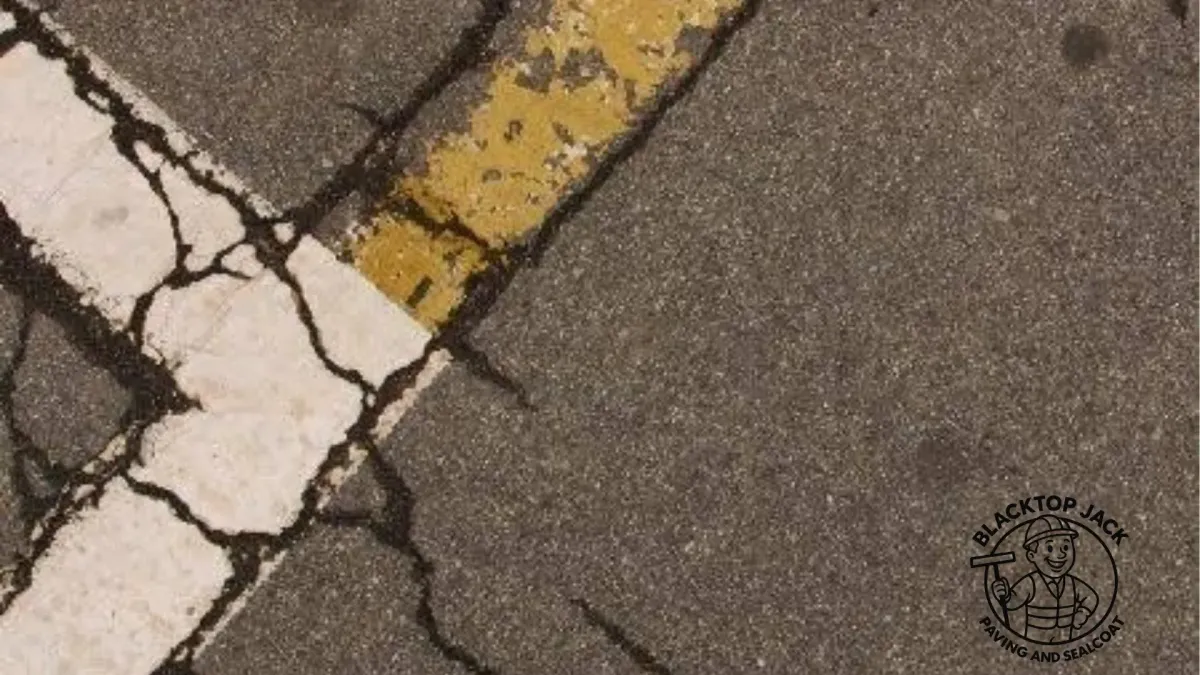
If you've walked across your parking lot recently and noticed a few spiderweb cracks near the entrance, or a pothole that seemed to appear overnight, you're not imagining things. Asphalt doesn't fail slowly and politely. It fails in stages, and by the time damage is visible to the naked eye, the real deterioration has usually been happening underneath the surface for months, sometimes years.
This is the story of nearly every commercial parking lot, apartment complex driveway, or retail plaza we've inspected. The owner assumes the pavement is "fine" because it looks mostly fine. Then one freeze-thaw cycle, one heavy rainstorm, or one summer of relentless UV exposure later, the cracks multiply, water seeps in, and what could have been a simple fix becomes a full reconstruction project.
Let's break down exactly why this happens and more importantly, what you can do to stop the clock before it runs out on your pavement.
The Real Reason Parking Lots Crack Faster Than Expected
Most people assume asphalt cracks because it's old. Age plays a role, but it's rarely the main culprit. The real reason pavement fails ahead of schedule comes down to neglected pavement maintenance the small, routine care steps that get skipped because the lot "still looks okay."
Here's what's actually happening beneath that smooth-looking surface:
1. UV Exposure Is Cooking the Binder
Asphalt is held together by a binder made from petroleum. The sun's UV rays slowly oxidize this binder, drying it out and making it brittle. This is why asphalt that once had a rich black color fades to gray that fading is a visible warning sign that the binder is losing its flexibility. Once it's brittle, it can no longer absorb the stress of vehicle weight, and cracking becomes inevitable.
2. Water Is Working Its Way Underneath
Water is asphalt's number one enemy. Even a tiny surface crack allows rainwater to seep into the base layer underneath. Once that base layer gets saturated, it weakens, and every vehicle that drives over it accelerates the collapse. In colder climates, this water freezes and expands, physically prying the pavement apart from below a process known as frost heave.
3. Weight and Traffic Load Are Underestimated
A parking lot designed for sedans and light traffic will deteriorate significantly faster if delivery trucks, moving vans, or heavy equipment regularly use it. Repeated stress in the same wheel paths creates rutting and alligator cracking long before the pavement's expected lifespan is up.
4. Drainage Issues Are Often Ignored
Poor drainage design, clogged storm drains, or low spots where water pools are silent pavement killers. Standing water doesn't just sit there it slowly infiltrates and destabilizes everything beneath the surface.
5. Sealcoating Gets Delayed or Skipped Entirely
This is the big one. Many property owners view sealcoating as a cosmetic upgrade rather than a protective necessity. In reality, regular sealcoating driveway and parking lot treatments create a barrier against UV rays, water, oil spills, and chemical damage. Skipping it is like leaving your car's paint unprotected against the elements for a decade.
The Cost of Waiting: A Side-by-Side Breakdown
The difference between proactive pavement maintenance and reactive repairs isn't small it's often the difference between a few hundred dollars and tens of thousands. Here's a clearer picture:
Notice the pattern: every stage that's left unaddressed pushes you into the next, more expensive category. A $300 crack-sealing job today prevents a $3,000 patch job next year, which prevents a $30,000 reconstruction the year after. Pavement maintenance is, quite literally, the cheapest insurance policy your property will ever have.
Why Sealcoating Is the Single Most Underrated Fix
If there's one step property owners consistently underestimate, it's sealcoating. Asphalt driveway sealcoating isn't just about making your lot look freshly paved though that glossy black finish certainly helps curb appeal. Its real job is protection.
A properly applied seal coat does three critical things:
Blocks UV rays from oxidizing and drying out the asphalt binder
Repels water, oil, and gas so they can't seep into the surface and weaken it from within
Fills tiny surface pores before they can widen into full cracks
Think of it the way you'd think about sunscreen. Skipping it once won't destroy your skin, but skipping it consistently over years leads to damage that's much harder and more expensive to reverse. Sealcoating driveway and parking lot surfaces every two to three years (depending on traffic and climate) is one of the most cost-effective decisions a property owner can make.
The mistake most people make is waiting until cracks are already visible before scheduling a seal coat. By then, water has usually already found its way in, and sealcoating alone won't undo that damage it needs to be paired with crack sealing or patching first.
Building a Pavement Maintenance Schedule That Actually Works
Consistency beats intensity when it comes to asphalt care. A lot that gets light, regular attention will always outlast one that gets ignored for years and then hit with an expensive emergency repair. Here's a practical framework:
Every 3–6 Months: Walk the lot and look for new cracks, standing water, or fading. Sweep debris away from drains and low points.
Annually: Clean oil stains and chemical spills promptly these break down asphalt binder faster than almost anything else. Check drainage systems for clogs.
Every 1–2 Years: Address cracks while they're still hairline-sized. This is the cheapest and most effective intervention window.
Every 2–3 Years: Schedule professional sealcoating to refresh UV and water protection.
Every 15–20 Years (with good maintenance): Expect a mill-and-overlay or resurfacing project as the pavement reaches the end of its structural life far later than lots that were neglected along the way.
This is really the core of effective asphalt driveway maintenance: it's not about reacting to damage, it's about staying ahead of it. Every step in that timeline exists to interrupt the cycle of oxidation, water infiltration, and structural fatigue before it compounds.
If you want a deeper technical breakdown of how each of these stages fits together from crack sealing timelines to base repair indicators our detailed guide on asphalt pavement maintenance walks through the process step by step, including how professionals evaluate when a lot needs sealcoating versus full patching.
Signs You're Already Behind Schedule
Not sure where your lot currently stands? These are the tells that maintenance has been delayed longer than it should have been:
The asphalt looks gray or faded rather than deep black
Cracks have started branching into smaller cracks (alligator pattern)
Water pools in the same spots after every rainfall
You can feel the surface flexing or crumbling slightly underfoot
It's been more than three years since the last sealcoating
If two or more of these apply, your pavement is likely deteriorating faster than its expected timeline — but the good news is that catching it now, rather than next year, can still save you from the most expensive repair category.
The Bottom Line
Parking lots don't crack because asphalt is a weak material they crack because maintenance gets deprioritized until damage is unavoidable. UV exposure, water infiltration, heavy traffic, and skipped sealcoating all work together quietly, and by the time cracks are visible, the underlying base has usually already taken a hit.
The fix isn't complicated. It's consistency: routine inspections, prompt crack sealing, and scheduled sealcoating every few years. That simple rhythm is the difference between a parking lot that lasts two decades and one that needs full reconstruction in under ten years.
Clear takeaway: Pavement maintenance is not a cosmetic expense it's a structural investment. The earlier you catch the small stuff, the more you save on the big stuff.
Ready to Stop the Cracking Before It Spreads?
If your parking lot is showing any of the warning signs above, don't wait for the next storm or freeze cycle to make the decision for you. Blacktopjack specializes in professional sealcoating, crack repair, and full-scale pavement maintenance for commercial properties, driveways, and parking lots that need to last.