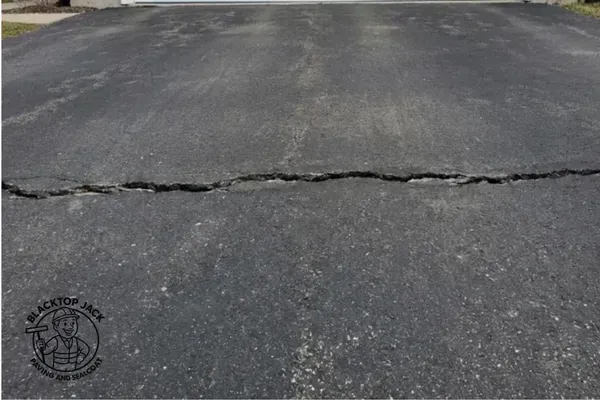
Your Driveway Is Full of Cracks—Would You Repair or Replace?
Introduction:
A cracked driveway is more than just an eyesore it’s often the first warning sign that your asphalt is weakening beneath the surface, and delaying proper pavement maintenance can turn small repairs into major replacement costs.
Many homeowners ignore driveway cracks at first because they seem harmless. A few small lines in the asphalt may not look urgent, but over time, water seeps into those openings, weakens the base layer, and causes larger structural damage. Before long, what started as a simple crack repair can become potholes, sinking pavement, drainage issues, or complete asphalt failure.
One of the biggest questions property owners ask is: Should I repair my cracked driveway or replace it entirely? The answer depends on the severity of the damage, the age of the pavement, drainage conditions, and how well the asphalt has been maintained over the years.
The good news is that not every cracked driveway needs full replacement. In many cases, professional repairs combined with proper paving and sealcoating services can restore both the appearance and strength of your asphalt. However, there are also situations where replacement becomes the smarter long-term investment.
In this guide, we’ll break down how to evaluate driveway damage, when repairs make sense, when replacement is necessary, and how regular maintenance can save you thousands over time.
Why Driveways Crack in the First Place
Before deciding whether to repair or replace your driveway, it’s important to understand why cracks appear.
Asphalt surfaces constantly face pressure from:
Weather changes
UV exposure
Rain and moisture
Heavy vehicles
Ground movement
Poor drainage
Aging asphalt
Over time, asphalt naturally expands and contracts with temperature changes. Without routine sealcoating and paving, the surface begins to dry out and lose flexibility. Once that happens, cracks start forming.
Water is usually the biggest threat. Even tiny cracks allow moisture to seep beneath the asphalt, weakening the foundation underneath. During freeze-thaw cycles, the trapped water expands, making the cracks even larger.
Common Types of Driveway Cracks
Not all cracks are equally serious. Some can be repaired easily, while others signal deeper structural issues.
1. Hairline Cracks
These are thin surface cracks caused by normal asphalt aging and oxidation.
Usually Repairable:
Yes
Crack filling and sealcoating often solve the issue
2. Edge Cracks
Cracks that form near driveway edges are often caused by weak support or poor drainage.
Usually Repairable:
Often repairable if addressed early
3. Longitudinal Cracks
These run parallel to the driveway and may result from asphalt shrinkage or poor installation.
Usually Repairable:
Yes, in many cases
4. Alligator Cracking
This pattern resembles reptile skin and usually indicates severe base failure underneath the asphalt.
Usually Repairable:
No
Often requires replacement
5. Potholes
Potholes form when water weakens the base layer beneath the asphalt.
Usually Repairable:
Minor potholes can be patched
Widespread potholes may require replacement
When Driveway Repair Makes Sense
Many cracked driveways can still be restored through professional repair solutions.
Repair is usually the best option when:
Cracks are small or moderate
Damage affects less than 30% of the surface
The asphalt foundation remains stable
Drainage issues are minimal
The driveway is relatively new
Professional Asphalt paving and sealcoating services can extend driveway life significantly when problems are caught early.
Common Asphalt Repair Solutions
Different types of damage require different repair methods.
Routine pavement maintenance keeps repair costs manageable and prevents deeper structural damage.
Signs You May Need Full Replacement
Sometimes repairs are only temporary solutions. If the asphalt foundation is failing, replacement becomes the more cost-effective option long term.
You may need replacement if:
Large sections are collapsing
Severe alligator cracking appears
Water pooling is widespread
Multiple potholes keep returning
The driveway is over 20 years old
Repairs no longer last
Trying to repeatedly patch severely damaged asphalt often costs more over time than full replacement.
Repair vs Replacement Comparison
Choosing between repair and replacement depends on both current damage and future goals.
How Sealcoating Helps Prevent Future Cracks
Many driveway issues begin because asphalt is left unprotected for too long. Sealcoating acts as a protective barrier against:
Water penetration
UV damage
Oxidation
Oil spills
Chemical exposure
Regular sealcoating and paving services can dramatically reduce cracking and extend asphalt lifespan.
Benefits of sealcoating include:
Property owners searching for paving and sealcoating near me are often looking for ways to avoid expensive replacements later and preventive maintenance is usually the answer.
The Hidden Cost of Ignoring Cracks
Small cracks may not seem urgent today, but asphalt damage spreads quickly once water enters the pavement structure.
Ignoring cracks often leads to:
Larger repair bills
Structural foundation damage
Drainage problems
Safety hazards
Vehicle damage
Reduced property value
Preventive pavement maintenance always costs less than major reconstruction.
Residential Driveways vs Commercial Asphalt
While residential driveways usually face lighter traffic, they still require consistent maintenance to prevent cracking and deterioration.
Commercial parking lots experience:
Heavier vehicle loads
Frequent traffic movement
Increased oil exposure
Greater liability concerns
That’s why commercial properties often require more frequent platinum paving and sealcoating services.
How Weather Impacts Asphalt Damage
Climate plays a major role in asphalt deterioration.
Hot Weather Problems
Asphalt softening
UV oxidation
Surface brittleness
Cold Weather Problems
Freeze-thaw expansion
Water penetration
Crack widening
Heavy Rain Issues
Base erosion
Drainage failures
Pothole formation
Professional Superior sealcoating and paving solutions help protect asphalt from harsh environmental conditions year-round.
How Often Should You Maintain Your Driveway?
A proactive maintenance schedule can dramatically extend asphalt lifespan.
Consistent maintenance prevents minor issues from turning into major expenses.
Why Professional Repairs Matter
DIY asphalt repairs may seem cheaper initially, but poor workmanship often leads to recurring problems.
Professional contractors provide:
Proper surface preparation
Commercial-grade materials
Long-lasting repairs
Accurate damage assessments
Better drainage solutions
Experienced professionals can determine whether repairs are sufficient or if replacement is necessary.
Improving Property Value With Asphalt Maintenance
Your driveway is one of the first things people notice about your property. Cracked, faded asphalt negatively impacts curb appeal immediately.
Well-maintained asphalt improves:
Home appearance
Property value
Safety
Visitor impressions
Vehicle protection
The Biggest Mistake Homeowners Make
One of the most common mistakes homeowners make is waiting too long before addressing cracks.
They assume:
“It’s just cosmetic.”
“I’ll deal with it next year.”
“A few cracks aren’t a big problem.”
Unfortunately, asphalt damage rarely stays small for long. Water penetration accelerates deterioration quickly, especially during seasonal weather changes.
The earlier repairs are handled, the more affordable they usually are.
Should You Repair or Replace?
Here’s the simplest way to decide:
Repair Your Driveway If:
Damage is minor to moderate
Cracks are limited
Foundation remains stable
Asphalt is under 15–20 years old
Replace Your Driveway If:
Structural damage is widespread
Large potholes continue forming
Drainage issues are severe
Repairs are becoming frequent and expensive
A professional inspection is the best way to determine the most cost-effective option for your property.
Clear Takeaway
If your driveway is full of cracks, don’t ignore the warning signs. Small asphalt issues can quickly become expensive structural problems when left untreated. In many cases, early repairs combined with proper paving and sealcoating services can restore your driveway and extend its lifespan significantly. However, when damage becomes widespread or the asphalt foundation begins failing, replacement may be the smarter long-term investment.
The key is proactive pavement maintenance. Regular inspections, sealcoating, crack filling, and timely repairs help protect your asphalt, reduce long-term costs, and improve your property’s overall appearance and safety.