Your Driveway Is Full of Cracks—Would You Repair or Replace?
Introduction:
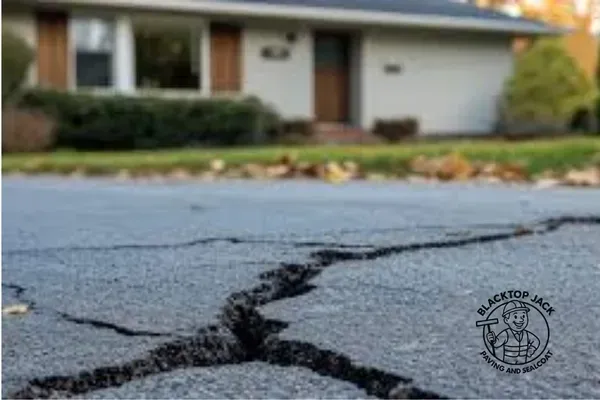
If you’ve started noticing cracks spreading across your driveway, you’re probably facing a frustrating question: should you invest in repairs, or is it time for a full replacement? This is a very common decision homeowners and property managers face when dealing with long-term pavement maintenance issues.
At first glance, cracks may look like a small cosmetic problem. But underneath, they often signal deeper structural deterioration caused by weather, water infiltration, poor drainage, or simply age. Choosing the wrong solution can either waste your money or shorten the life of your driveway significantly.
This guide will help you understand the problem, evaluate your options, and make a smart, cost-effective decision for long-term durability.
The Problem: Why Driveways Start Cracking in the First Place
Cracks don’t appear overnight. They develop gradually due to multiple environmental and structural factors.
Most common causes include:
Freeze and thaw cycles that expand and contract asphalt
Heavy vehicle loads over time
Poor installation or weak base layers
Lack of regular paving and sealcoating maintenance
Water penetration weakening the foundation
UV damage drying out asphalt binder
When these issues combine, your driveway begins to lose flexibility and strength, leading to visible cracks.
At this stage, many homeowners panic and think full replacement is the only option but that’s not always true.
The Real Question: Repair or Replace?
The decision depends on three key factors:
Crack severity
Base condition
Age of the pavement
If your driveway only has surface-level cracks, pavement maintenance through sealing or patching may be enough. But if the base layer is failing, replacement becomes necessary.
Let’s break this down clearly.
Types of Driveway Cracks (And What They Mean)
Understanding the type of damage helps determine whether paving and sealcoating near me services are enough or if full reconstruction is required.
Repair Option: When Fixing the Driveway Makes Sense
Repair is usually the best option when:
Damage is limited to surface cracks
Base layer is still strong
Driveway is less than 10–15 years old
No major sinking or drainage issues exist
Common Repair Methods
1. Crack Filling
Hot rubberized sealant is used to block water penetration and prevent further expansion.
2. Sealcoating
A protective layer applied to restore appearance and protect against UV and water damage. This is a key part of sealcoating and paving maintenance.
3. Patch Repair
Used for potholes or localized damage.
When done correctly, repairs can extend the life of your pavement by 3–7 years.
Replacement Option: When Repair Is Not Enough
Sometimes, repairs are just temporary fixes. Replacement is necessary when:
Base layer is weak or collapsing
Extensive alligator cracking is present
Drainage problems are recurring
Driveway is 20+ years old
Repairs are becoming frequent and costly
Full replacement involves removing old asphalt, rebuilding the base, and installing new asphalt.
This is where professional services like Asphalt paving and sealcoating come into play to ensure long-term performance.
Repair vs Replacement: Clear Comparison
If your goal is short-term savings, repair works. But if you want long-term durability, replacement is the smarter investment.
The Role of Sealcoating in Pavement Maintenance
One of the most overlooked aspects of pavement maintenance is sealcoating. Many homeowners ignore it until cracks appear but by then, damage has already started.
Sealcoating provides:
Protection from UV rays
Resistance against oil and chemical spills
Water barrier to prevent cracks
Improved surface appearance
Longer pavement life
Regular paving and sealcoating sealcoating and paving services can double the lifespan of your asphalt if done every 2–3 years.
Companies like platinum paving and sealcoating and Superior sealcoating and paving specialize in these preventive treatments that save thousands in future repairs.
Step-by-Step: How Professionals Evaluate Your Driveway
Before recommending repair or replacement, experts usually follow this process:
1. Surface Inspection
Checking visible cracks, potholes, and discoloration.
2. Structural Testing
Evaluating base stability and compaction.
3. Drainage Check
Ensuring water flows away properly.
4. Thickness Measurement
Determining asphalt depth and durability.
5. Cost Analysis
Comparing repair vs replacement cost efficiency.
This structured approach ensures you don’t overspend on unnecessary replacement when simple paving and sealcoating near me services might be enough.
Cost Factors You Should Consider
The cost of pavement maintenance depends on several factors:
Size of driveway
Severity of damage
Material quality
Labor rates
Accessibility of site
Drainage correction needs
While repair may seem cheaper upfront, repeated patchwork can eventually cost more than full replacement.
Common Mistakes Homeowners Make
Many people make costly mistakes when dealing with cracked driveways:
Ignoring small cracks until they spread
Using cheap sealants that fail quickly
Skipping regular maintenance
Hiring unqualified contractors
Delaying repairs too long
These mistakes often turn minor issues into full reconstruction projects.
Why Professional Help Matters
DIY fixes rarely address the root cause of pavement damage. Professional contractors provide:
Proper base evaluation
Commercial-grade materials
Long-lasting sealcoating solutions
Accurate cost assessment
Warranty-backed work
Whether you choose paving and sealcoating or full replacement, expert handling ensures durability and safety.
Learn More About Asphalt Solutions
If you want a deeper understanding of asphalt care, repair strategies, and professional maintenance techniques, this guide explains everything in detail:
👉 Everyone is Talking About Asphalt Paving and Sealcoating
It helps you understand why preventive maintenance is often more cost-effective than reactive repairs.
When to Call a Professional Immediately
You should contact a contractor if you notice:
Rapid crack expansion
Water pooling after rain
Deep potholes forming
Uneven surface sinking
Repeated repair failures
These are signs that your pavement structure is compromised and needs expert attention.
Final Takeaway: Repair Smart, Not Just Cheap
A cracked driveway doesn’t automatically mean you need a full replacement. In many cases, strategic pavement maintenance including crack filling and sealcoating can restore durability and extend lifespan significantly.
However, when structural damage is deep or widespread, replacement becomes the more cost-effective long-term solution.
The key is proper evaluation, not guesswork.
Call to Action: Protect Your Driveway Before It Gets Worse
Don’t wait until small cracks turn into expensive reconstruction projects.
Whether you need paving and sealcoating near me, expert Asphalt paving and sealcoating, or reliable long-term maintenance solutions, choosing the right contractor makes all the difference.
👉 Visit Blacktop Jack today to get a professional inspection and customized pavement solution that saves you money and extends the life of your driveway.
Your driveway is an investment protect it before it breaks down completely.