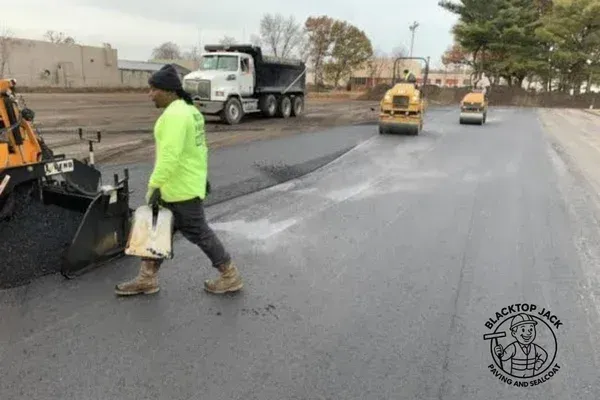
The Best Time of Year for Asphalt Paving in the United States
Introduction:
Asphalt that's poured at the wrong temperature can start cracking, rutting, or crumbling within just a year or two, no matter how skilled the paving crew is. That single fact is why timing your paving project isn't a small detail it's the difference between a driveway that lasts fifteen to twenty years and one that needs repairs before you've even paid it off.
The Problem: Paving at the Wrong Time Costs You More Than Money
Most homeowners think about asphalt paving the way they think about painting a fence pick a weekend, hire someone, get it done. But asphalt isn't paint. It's a mix of aggregate and liquid bitumen that needs specific ground and air temperatures to bond, compact, and cure correctly. When people pave in the wrong season, a few predictable problems show up:
Poor compaction – Cold asphalt cools too fast to be properly rolled and compacted, leaving weak spots that crack under normal weight.
Cracking and raveling – Pavement laid in freezing or extremely hot conditions often develops surface cracks within the first year.
Water damage – Rain and moisture trapped during application weaken the bond between layers, leading to potholes later.
Shortened lifespan – A driveway that should last two decades can fail in five to seven years simply because of poor timing.
This is exactly why "when" you pave matters just as much as "who" you hire. And it's also why pavement maintenance should never be an afterthought it starts before the first shovel of asphalt is even laid.
Why Temperature Is the Real Decision-Maker
Asphalt contractors across the US generally agree on one non-negotiable rule: ambient temperature needs to stay above 50°F, and ideally the ground temperature should be similar, for asphalt to compact and bond correctly. Below that threshold, the asphalt mix cools too quickly during transport and laying, and workers lose the narrow window needed to compact it before it hardens.
This is also why paving contractors rarely take driveway or parking lot jobs during the peak of winter in most states it's not a scheduling preference, it's a material science limitation.
The Solution: When You Should Actually Schedule Your Paving Project
The good news is that most regions in the US have a reliable, predictable window each year when conditions are close to ideal. Here's a breakdown of how each season affects a paving project:
As the table shows, late spring and early fall consistently offer the best time of year to pave a driveway in most of the country. These windows combine warm-but-not-scorching daytime temperatures with mild nights, which gives the asphalt enough time to properly compact before it cools.
Why Late Spring Works So Well
By May or June, the ground has fully thawed from winter, moisture levels are usually manageable, and daytime temperatures sit comfortably in the ideal range. Crews also have more flexibility with scheduling before the summer rush hits.
Why Early Fall Is a Favorite Among Contractors
September and October are often considered the sweet spot. The scorching heat of summer has passed, humidity drops, and most regions haven't yet seen their first frost. This gives freshly laid asphalt several weeks of stable weather to cure properly before winter sets in which matters because asphalt continues hardening for months after installation.
Why Summer Needs a Careful Approach
Summer paving isn't off the table, but it requires more attention. In regions where temperatures regularly cross 95°F, asphalt can become too soft to compact evenly, and crews often need to schedule work for early morning hours to avoid the mix overheating.
Why Winter Paving Should Be Avoided
If you've ever seen a driveway develop cracks within its first winter, there's a good chance it was poured too late in the season. Cold asphalt doesn't bond correctly, and any trapped moisture can freeze, expand, and damage the surface from within.
Regional Differences Matter Too
The "best" paving season isn't identical across the whole country. A homeowner in Arizona has a very different climate calendar than someone in Minnesota or Ohio.
Northern and Midwest states (harsh winters): Stick to late spring through early fall, avoiding anything after mid-October.
Southern states (mild winters, hot summers): Paving is often possible nearly year-round, but early morning scheduling in summer helps avoid overheating the mix.
Coastal and humid regions: Watch the rain forecast closely moisture during the curing period is just as damaging as cold temperatures.
If you're unsure which window applies to your area, a local paving contractor can check historical weather patterns and soil conditions before recommending a start date.
Pavement Maintenance: What Happens After the Paving Job
Choosing the right season is only step one. Long-term durability depends on consistent pavement maintenance after installation. A newly paved driveway needs specific care in its first year, and ongoing attention after that to avoid the kind of damage that leads to costly replacement.
Here's what a simple, effective maintenance routine looks like:
Avoid heavy vehicle weight for the first few days – New asphalt needs time to fully harden.
Seal the surface within 6–12 months – Sealcoating protects against UV rays, oil stains, and water penetration.
Fill cracks as soon as they appear – Small cracks left untreated let water seep in and expand during freeze-thaw cycles.
Keep drainage clear – Standing water is one of the fastest ways to degrade both asphalt and concrete driveway surfaces.
Schedule inspections annually – Catching small issues early is far cheaper than large-scale repairs.
Whether you have an asphalt or concrete driveway, consistent upkeep is what actually determines how long your investment lasts not just the quality of the initial paving job.
Asphalt Driveway Maintenance vs. Waiting Too Long
A lot of homeowners delay maintenance because a driveway with a few small cracks still "looks fine." But asphalt driveway maintenance is most effective when it's proactive rather than reactive. Left unaddressed, minor surface cracks widen, allow water infiltration, and eventually lead to potholes or crumbling edges problems that cost significantly more to fix than early crack sealing would have.
If your driveway already shows visible damage, it's worth understanding your options before spending money on a fix that won't hold up. This guide on <a href=" target="_blank" rel="noopener">whether a cracked driveway should be repaired or replaced</a> breaks down exactly how to evaluate the severity of the damage and choose the right path forward.
Quick Recap: When and How to Get It Right
Getting a paving project right comes down to two things working together choosing the correct season, and following through with maintenance afterward.
The Clear Takeaway
Asphalt paving isn't something to schedule around convenience it should be scheduled around climate. Late spring and early fall give asphalt the ideal conditions to bond, compact, and cure properly, setting the foundation for a driveway that can genuinely last decades instead of years. But timing alone isn't enough. Ongoing pavement maintenance, from sealcoating to crack repair, is what protects that investment long after the crew has packed up and gone home.
If your driveway is already cracked, aging, or was paved during the wrong season, don't wait for it to get worse.
Ready to Pave or Repair the Right Way?
At Blacktopjack, we help homeowners across the US choose the right season, the right materials, and the right maintenance plan for driveways that actually last. Whether you're planning a brand-new asphalt driveway or need expert advice on repairing an existing one, our team is ready to help.
Contact Blacktopjack today for a free consultation and get your paving project started at the perfect time of year.