Long Rural Driveways in Hunterdon County: Tar and Chip vs. Asphalt
Introduction:
A long rural driveway can stretch anywhere from a few hundred feet to nearly a quarter mile, and that extra length changes almost everything about which paving material actually makes financial and practical sense. If you own a property in Hunterdon County with a long, winding driveway cutting through fields, woods, or hilly terrain, you've likely already run into the debate: should you go with a tar and chip driveway or traditional asphalt? It's a common point of confusion, and the wrong choice can mean thousands of dollars in unnecessary cost or a surface that doesn't hold up to your land's terrain and drainage patterns.
This decision matters more for rural properties than it does for a standard suburban driveway. Longer surfaces are exposed to more weather variation, more runoff, more tree cover, and often steeper grades all of which affect how each material performs over time. Making the right call upfront saves you from expensive repairs and premature replacement down the line.
The Problem: Long Driveways Face Challenges Short Ones Don't
Homeowners with long rural driveways in Hunterdon County often reach out after noticing the same frustrating patterns. Because these driveways stretch across varied terrain, they're more likely to experience uneven wear, with some sections holding up fine while others crack, erode, or wash out entirely.
Common issues rural property owners report include:
Runoff washing out gravel or surface material on sloped sections
Cracking that appears more severe on shaded, tree-covered stretches where moisture lingers
Rutting from heavy vehicles, farm equipment, or delivery trucks
Inconsistent surface texture where patch repairs were done piecemeal over the years
Higher-than-expected costs when trying to pave the entire length with a single material
Because rural driveways are so much longer than a typical residential one, cost differences between materials are amplified. A price-per-square-foot gap that seems minor on a 500-square-foot driveway becomes a significant number when you're covering 3,000, 5,000, or more square feet. This is exactly why the tar and chip driveway versus asphalt decision deserves real thought rather than a default choice.
Understanding the Two Options
Before comparing which is better for your property, it helps to understand what each material actually is and how it behaves differently on long, exposed driveways.
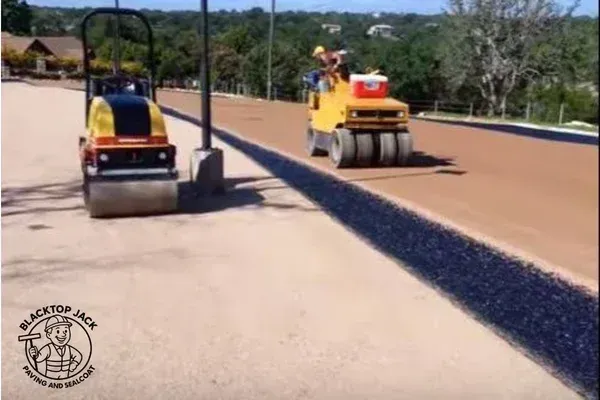
A tar and chip driveway, also known as chip seal, is a layered application process where hot liquid asphalt binder is sprayed onto the base, followed immediately by a layer of crushed stone chips that are then rolled into the tar. The result is a textured, rustic-looking surface that's popular for rural and countryside properties because it blends naturally with the landscape.
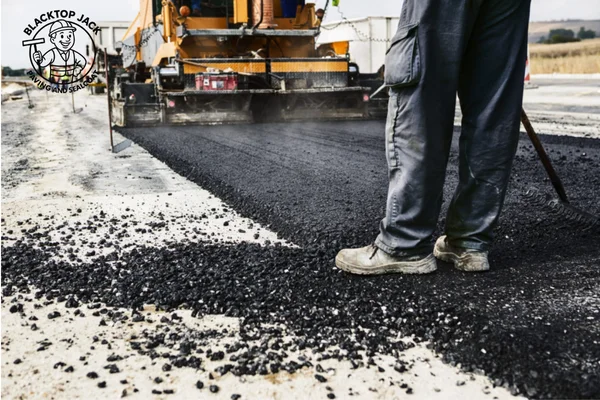
Traditional asphalt, by contrast, is a mixed material aggregate, sand, and asphalt cement combined and heated before being laid as a smooth, uniform surface and compacted with heavy rollers. It's the more familiar, commonly used driveway surface across both suburban and rural properties.
The Solution: Comparing Tar and Chip vs. Asphalt for Rural Driveways
Choosing between these two options comes down to weighing cost, durability, maintenance needs, and how each performs specifically on longer stretches with variable terrain. Let's compare side-by-side to help make sense of this.
Factor | Tar and Chip | Traditional Asphalt |
|---|---|---|
Average cost per sq. ft. | $2 – $5 | $3 – $7 |
Best suited for | Long, rural, low-to-moderate traffic driveways | Higher-traffic, daily-use driveways |
Surface texture | Rough, textured, natural look | Smooth, uniform finish |
Lifespan | 7 – 10 years | 20 – 30 years with proper care |
Drainage handling | Performs well on sloped/rural terrain | Requires precise grading for water runoff |
Maintenance frequency | More frequent minor repairs | Sealcoating every 2–3 years |
Repair visibility | Patches blend more naturally | Patches can be visibly noticeable |
Weight tolerance | Moderate (not ideal for heavy trucks) | Higher, handles heavier vehicle loads |
For many long rural driveways, a tar and chip driveway is the more budget-friendly option upfront, especially when covering thousands of square feet. Its textured surface also tends to hide minor imperfections and blend better with a countryside aesthetic. However, it does require more frequent upkeep and doesn't last nearly as long as asphalt, meaning long-term costs can even out or, in some cases, exceed what you'd have spent on asphalt from the start.
Traditional asphalt costs more initially but offers a smoother ride, better performance under heavier vehicles like trucks or farm equipment, and a significantly longer lifespan when paired with consistent driveway maintenance. For rural homeowners who use their driveway daily for regular vehicles, deliveries, or equipment, asphalt often proves to be the more cost-effective choice over a 15- to 20-year window.
If you're still weighing the decision based on your specific property type and usage, this in-depth comparison on tar and chip or asphalt for homeowners walks through additional considerations that can help you match the right material to your exact situation.
Why Pavement Maintenance Matters Even More on Long Driveways
Whichever material you choose, pavement maintenance becomes even more critical on long rural driveways simply because there's more surface area exposed to weather, tree debris, runoff, and vehicle wear. Skipping maintenance on a short driveway might cost you a patch repair. Skipping it on a driveway that's several hundred feet long can mean thousands of dollars in accelerated damage across multiple sections.
For tar and chip driveway surfaces, maintenance typically involves periodic reapplication of chip seal layers every few years, along with addressing loose stone buildup and edge erosion, especially on sloped sections where runoff is heaviest.
For asphalt driveway maintenance, the priorities are different sealcoating every 2 to 3 years to protect against UV damage and water penetration, prompt crack sealing before minor cracks widen into potholes, and keeping drainage paths clear so water doesn't pool or erode the base beneath the surface. On long driveways especially, catching small issues early prevents them from spreading across large sections that become far more expensive to repair later.
Property owners who stay consistent with driveway maintenance regardless of material routinely get more years of reliable use out of their investment than those who wait until visible damage forces their hand.
Making the Right Choice for Your Property
There's no single universally "better" option between tar and chip and asphalt the right choice depends on how you use your driveway, your budget, the terrain of your property, and how much long-term maintenance you're willing to commit to. A good rule of thumb: if your driveway sees light to moderate use and you want a lower upfront cost with a natural, rustic finish, a tar and chip driveway is worth serious consideration. If you're looking for durability, smoother handling for heavier vehicles, and a surface that requires less frequent full-scale work over its lifetime, traditional asphalt is generally the stronger long-term investment.
Getting a professional assessment of your specific driveway its length, slope, soil conditions, and typical vehicle traffic is the best way to avoid guessing and instead make a decision backed by real data about your property.
Frequently Asked Questions
1. Which is cheaper: tar and chip or asphalt for a long driveway?
A tar and chip driveway is generally cheaper upfront, typically costing $2–$5 per square foot compared to $3–$7 for asphalt. However, since tar and chip needs more frequent upkeep and has a shorter lifespan, the long-term cost gap can narrow over time.
2. How long does a tar and chip driveway last compared to asphalt?
A tar and chip driveway typically lasts 7 to 10 years, while a well-installed asphalt driveway can last 20 to 30 years with proper driveway maintenance, including regular sealcoating and timely crack repair.
3. Is tar and chip a good option for a long rural driveway?
Yes, especially for driveways with light to moderate traffic. Its textured surface handles sloped, rural terrain well and blends naturally with countryside landscapes, though it requires more frequent minor repairs than asphalt.
4. How often does asphalt driveway maintenance need to be done?
Routine asphalt driveway maintenance should include sealcoating every 2 to 3 years, prompt crack sealing, and keeping drainage clear. Staying consistent with this schedule significantly extends the driveway's overall lifespan.
5. Can I switch from tar and chip to asphalt later on?
Yes, many homeowners eventually transition from tar and chip to asphalt as usage needs change. However, this typically requires proper base assessment and possible regrading, so it's best handled by a professional paving contractor.
6. Does pavement maintenance differ for long rural driveways versus short ones?
Yes. Long rural driveways cover more surface area exposed to runoff, tree debris, and uneven terrain, so pavement maintenance needs to be more proactive and frequent to prevent small issues from spreading across large sections.
Get a Professional Recommendation for Your Rural Driveway
Long rural driveways deserve more than a one-size-fits-all paving decision. Blacktopjack.com works with Hunterdon County property owners to assess terrain, drainage, and usage patterns before recommending whether a tar and chip driveway or asphalt is the smarter investment for their specific property. From installation through ongoing pavement maintenance, our team helps you protect your investment for decades, not just a few seasons. Contact us today for a free on-site evaluation and a clear, honest cost comparison tailored to your property.
The Takeaway
Choosing between tar and chip and asphalt for a long rural driveway in Hunterdon County isn't just a matter of preference it's a decision that should be based on your terrain, usage, budget, and long-term maintenance commitment. A tar and chip driveway offers a lower upfront cost and rustic charm, while asphalt delivers greater durability and smoother performance for daily, heavier use. Whichever material you choose, consistent pavement maintenance is what ultimately determines how many years you get out of your driveway before facing costly repairs or full replacement. Taking the time to make an informed choice now will save you money, stress, and unnecessary rework for years to come.